Most movie viewers identify Charlie Chaplin as "The Tramp", not as Charles Spencer Chaplin. This shows us how developed a Character "The Tramp" was. Here are four films that showcase The Tramp and the way Chaplin used the character to display turmoil, happiness, naivete, loneliness, and love from his own personal life.
Kid Auto Races at Venice (1914)
His development of the character of "The Tramp" was showcased in this early film. You see the Tramps desire to be in the spotlight despite the reactions of the cameraman and racers in the background. This is Chaplin and the Tramp introducing themselves to the movie viewers.
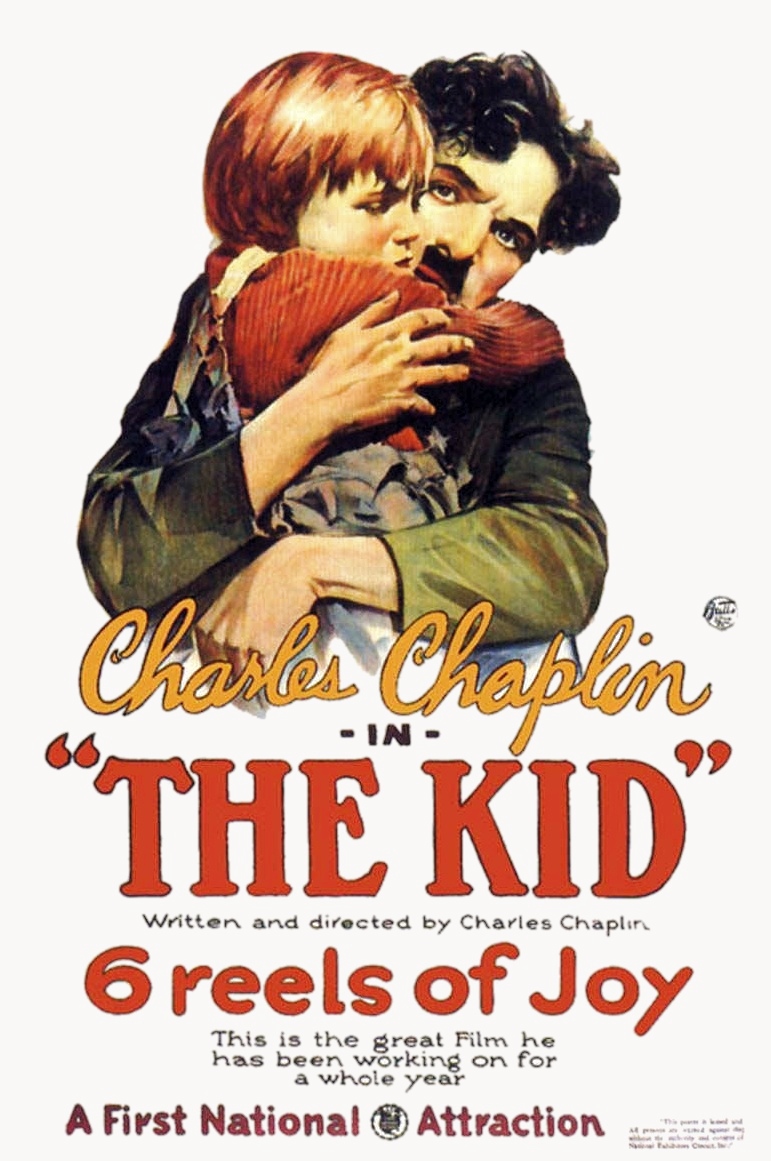
The Kid (1921)
The Tramp has honed his place in Chaplin's storytelling by the time this film is released. He shows compassion for humanity in taking in an abandoned child. He raises the kid to survive despite the hardships they endure. Chaplin uses his own experiences as a child of poverty on the streets of London to display the agony and despair that both the Tramp and kid encounter.
Modern Times (1936)
In this late "silent" film you see Chaplin proving to the viewer that silent films are not completely irrelevant. The machines (both mechanically and socially) are the only subjects in the film that create sound, or noise to the Tramp. The Tramp in this film has become the every man, the victim of the Great Depression and of the abuse that the "machines"and the "bosses" of the time were, to the desperate. In this film Chaplin becomes a true Renaissance man by acting as composer, actor, director, producer and writer. He was in complete control of how the Tramp was to be viewed.
Limelight (1952)
By this stage of Chaplin's career, the Tramp has become a faded memory in Silver Screen history. Though Calvero speaks, Chaplin uses situations that call for physical emotions. The character is a renown mime who is now lurking in the shadows of a new set of actors (dancers in this movie's case). Chaplin wanted to use his expertise playing the Tramp to create a self realization for his current place in movie making. Chaplin was the king of pantomime and was a maverick in creating a character without sound. Between the films Modern Times and Limelight, he was competing with characters who displayed emotions physically and vocally. He felt his candle was fading in this ever developing medium.
In these four films the viewer can see quite literally the development from beginning to end of the character of the Tramp. Not only the most iconic screen character of all time but from the mind of our most iconic actor all time.
----Monique